PullupsMuscles Worked
Pull-ups mainly work your lats, the broad muscles that give your back its width, with the biceps and upper back (rhomboids, middle and lower traps) helping you finish each rep. An overhand grip a little wider than your shoulders keeps more of the focus on the lats than a chin-up does.
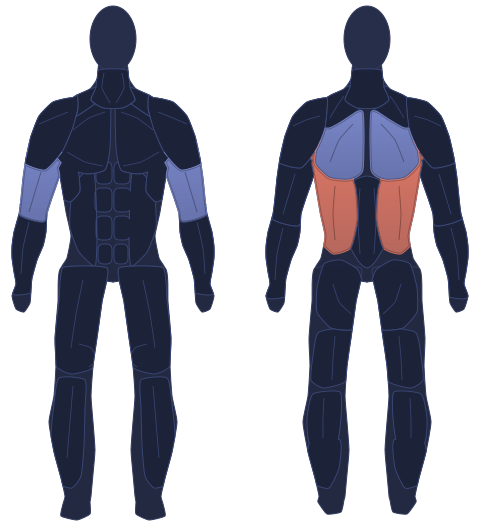
PrimaryLats
- Equipment
- Bodyweight
- Level
- Beginner
- Type
- Compound
- Force
- Pull
How to do it

- Grab the bar with your palms facing away, hands a bit wider than shoulder width, and hang with your arms fully straight.
- Brace your abs, squeeze your glutes and draw your shoulders slightly down away from your ears before you bend your arms.
- Drive your elbows down toward your ribs and pull until your chin clears the bar, leading with your chest.
- Pause briefly at the top without letting your shoulders roll forward.
- Lower yourself slowly until your arms are straight again, then start the next rep from a dead hang without swinging.
Form tips
- Keep your legs still and your body quiet, because kicking or swinging moves the work away from your lats.
- If you cannot do a full rep yet, build up with a band, an assisted pull-up machine or slow lowering reps.
- Count only reps that start from straight arms, since half reps skip the stretch at the bottom.
Why it made the list
No. 1 of 12
Best Lat Exercises
The king of lat exercises. Bodyweight compound. Wide grip targets lats maximally. The benchmark of upper body pulling strength.
More lat exercises

See it on your own body map
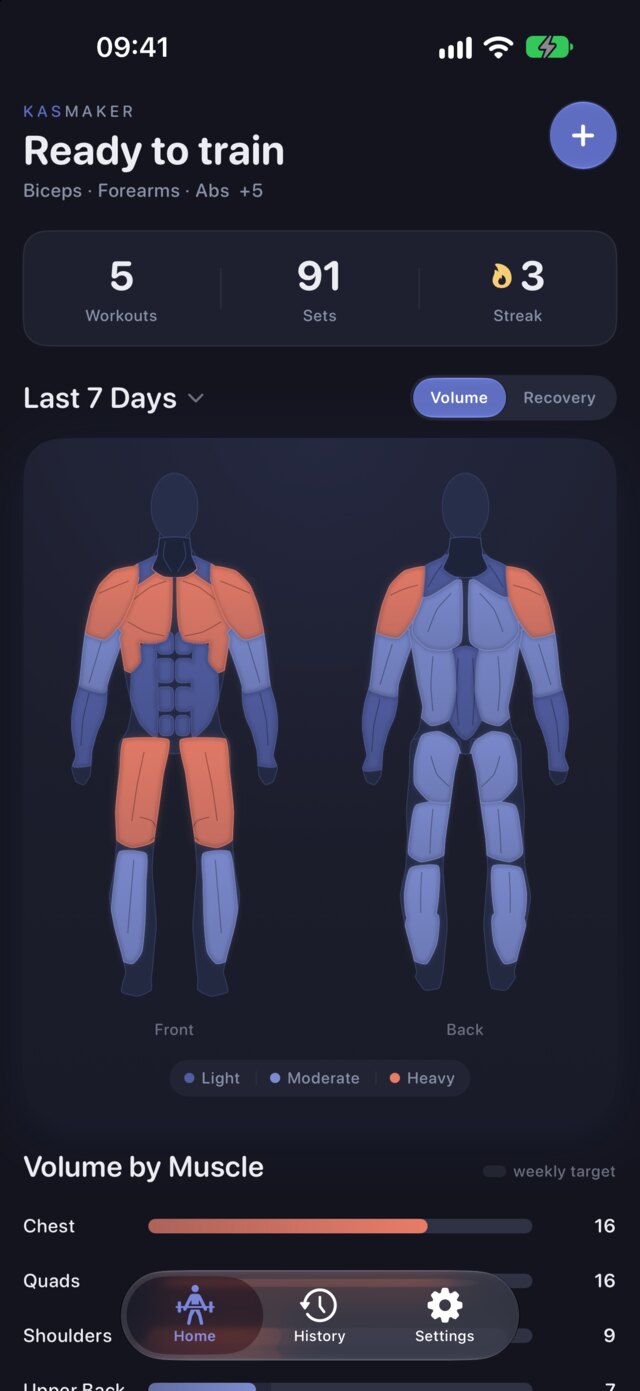
Log your Pullups sets in KasMaker and watch your lats, biceps, and upper back fill in on the map, weighted by how much you did. Logging and the body map are free on iPhone.